Mould and it's Effects
Mould isn’t just an unpleasant sight. If it’s left unnoticed or untreated, it can become a concern for your health too.
From the walls around us to less visible areas, mould can sometimes be difficult to spot until it has become more established. That’s why recognising the warning signs early is so important.
Why should you be concerned about mould?
Mould can release particles into the air, which means that you may breathe them in without even realising it.
The effects of mould exposure can vary from person to person. Individuals who are particularly sensitive to mould, including those with allergies or existing respiratory conditions such as asthma, may experience more noticeable or persistent symptoms. Repeated exposure in a damp or mould-affected environment may also contribute to ongoing respiratory irritation. For this reason, visible mould, dampness and musty odours should not simply be treated as cosmetic problems, as they can indicate an underlying moisture issue and may affect indoor air quality.
What should you look out for?
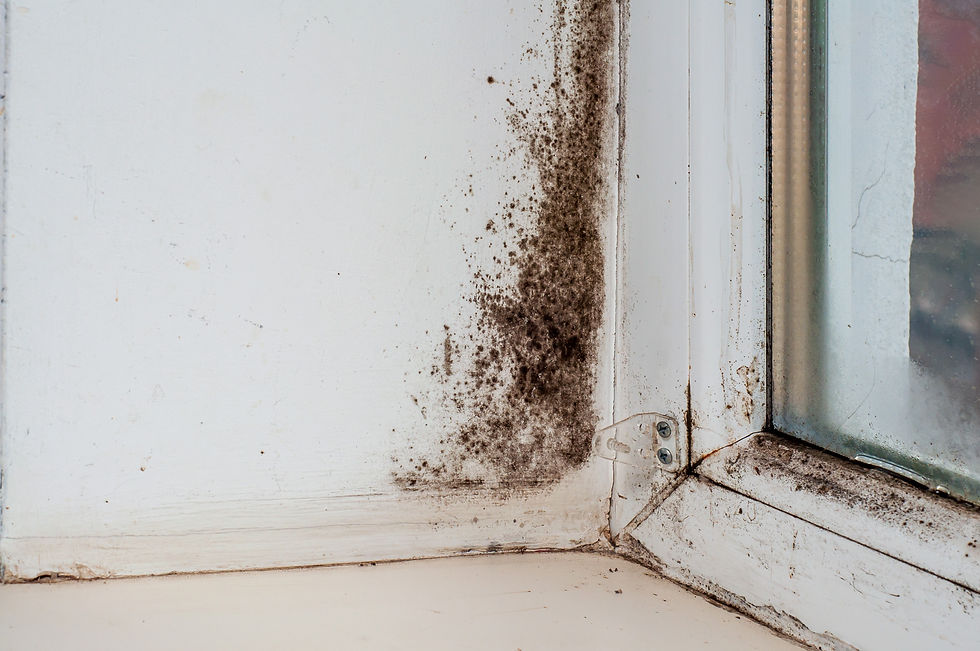
Mould isn’t always immediately obvious. Keep an eye out for visible patches, changes to walls or surfaces, and areas where dampness may be present.
Spotting a problem early can make it easier to address before it becomes a bigger issue.
Don’t ignore the warning signs
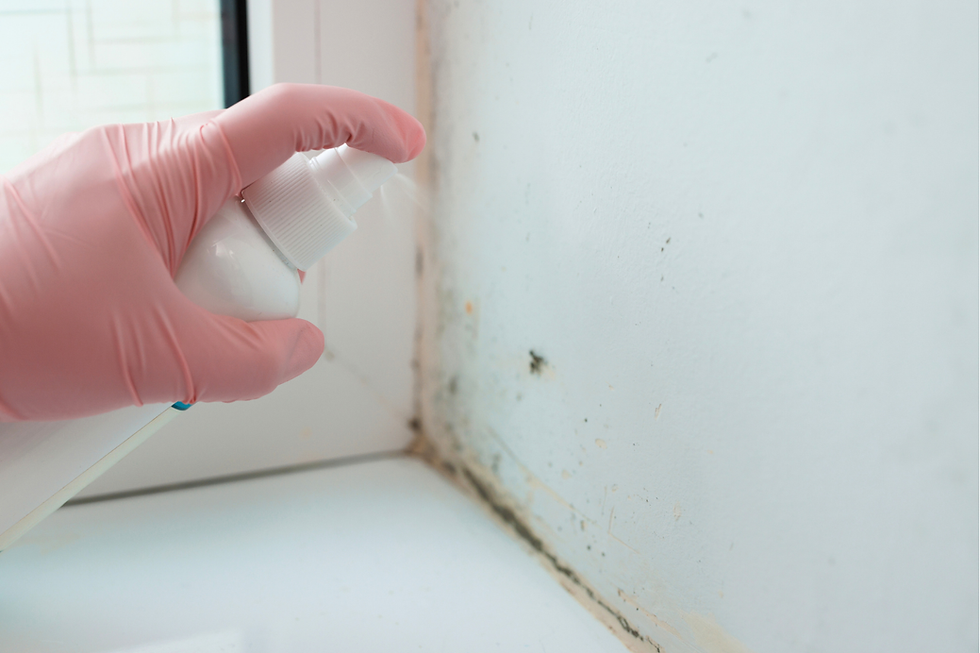
If you notice mould developing, don’t simply cover it up and hope it goes away.
Mould may be easy to overlook, but it shouldn’t be ignored. Breathing in mould particles can be a concern, particularly for people who may be more vulnerable.
Written by Neve